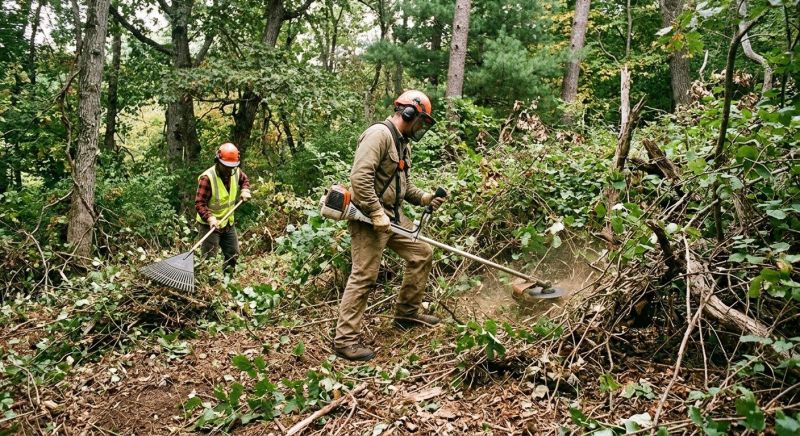
Undergrowth Removal in Houston, TX
Undergrowth removal services involve clearing away dense, overgrown vegetation such as shrubs, brush, weeds, and small trees that can obstruct views, hinder lawn maintenance, or pose fire hazards. These projects often include thinning out or completely removing unwanted underbrush to improve the safety, appearance, and accessibility of a property. Homeowners typically seek this service when preparing for landscaping, creating clear pathways, or reducing fire risks in areas with heavy vegetation growth.
Before requesting undergrowth removal, property owners should consider the extent of overgrowth, the types of plants involved, and any local regulations regarding vegetation removal. It’s also helpful to understand whether the work involves partial thinning or complete removal, as well as any potential impact on existing landscaping or nearby structures. Clarifying these details ensures the project aligns with individual property goals and safety considerations.
Many property owners in Houston, TX look into Undergrowth Removal for repairs, replacements, upgrades, and appearance-related improvements.
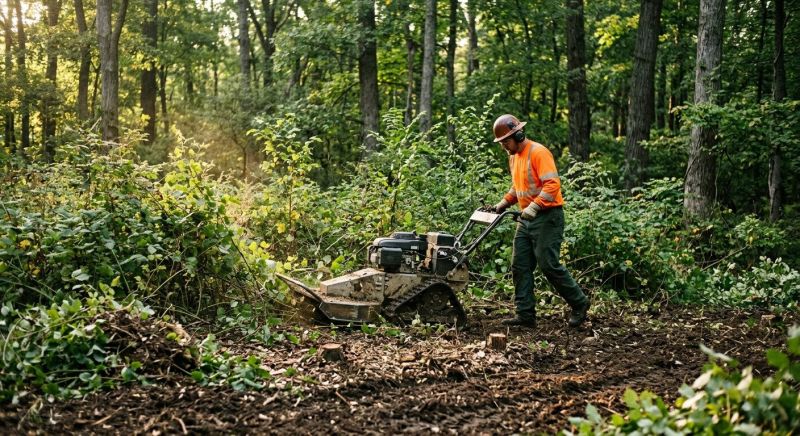
Overgrown Vegetation Removal
Clearing dense undergrowth enhances safety and improves the appearance of your property.
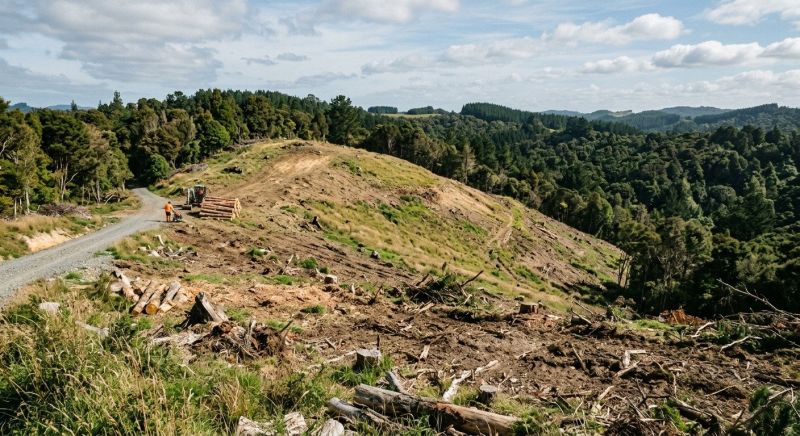
Hazard Prevention
Removing thick undergrowth reduces fire risks and prevents pest habitats around houston homes.
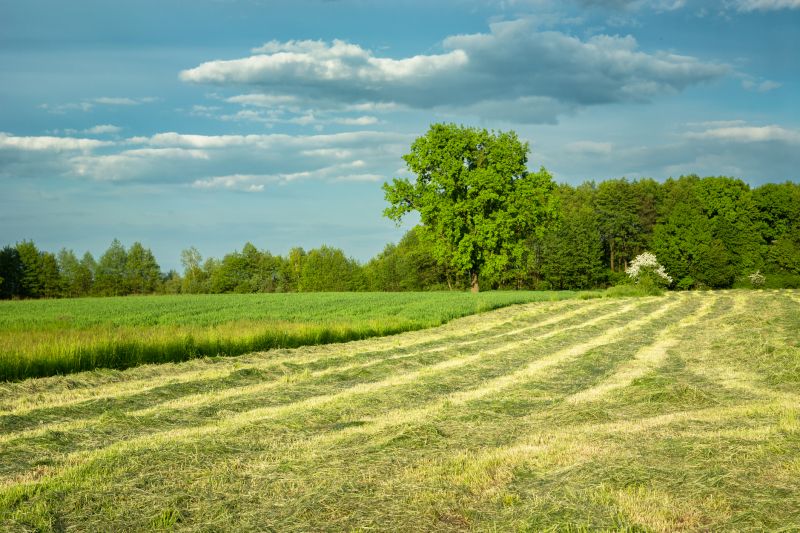
Landscaping Preparation
Undergrowth removal creates a clean foundation for new planting or lawn installation projects.
Undergrowth Removal in Houston, TX
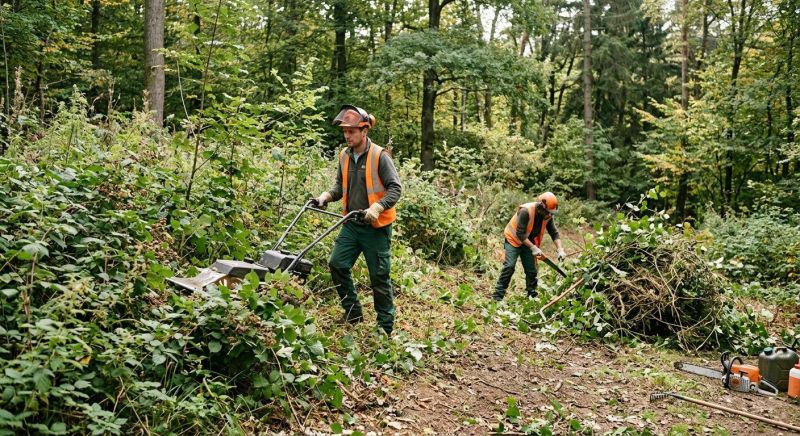
Undergrowth removal services involve clearing away dense, overgrown vegetation such as shrubs, brush, weeds, and small trees that can obstruct views, hinder lawn maintenance, or pose fire hazards. These projects often include thinning out or completely removing unwanted underbrush to improve the safety, appearance, and accessibility of a property. Homeowners typically seek this service when preparing for landscaping, creating clear pathways, or reducing fire risks in areas with heavy vegetation growth.
Before requesting undergrowth removal, property owners should consider the extent of overgrowth, the types of plants involved, and any local regulations regarding vegetation removal. It’s also helpful to understand whether the work involves partial thinning or complete removal, as well as any potential impact on existing landscaping or nearby structures. Clarifying these details ensures the project aligns with individual property goals and safety considerations.
Many property owners in Houston, TX look into Undergrowth Removal for repairs, replacements, upgrades, and appearance-related improvements.
Common Undergrowth Removal Jobs
Underbrush Clearing - removal of dense shrubs and small trees to improve yard visibility and access.
Overgrown Vegetation Removal - clearing excessive plant growth that can hinder property maintenance.
Brush Pile Removal - disposal of accumulated brush and debris to reduce fire hazards and pests.
Tree Sapling Removal - uprooting young trees that may compete with established landscape features.
Pathway and Driveway Clearing - clearing overgrowth that obstructs walkways and vehicle access points.
Fence Line Clearing - removing growth along property boundaries to maintain defined property lines.
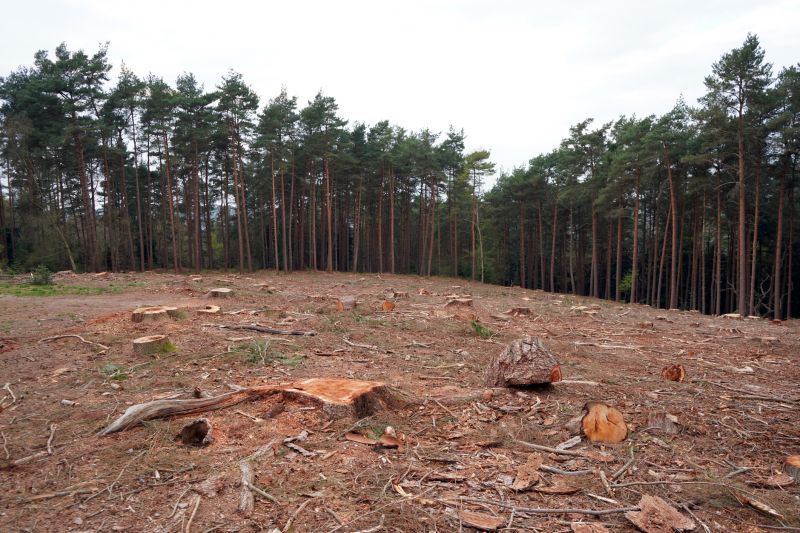
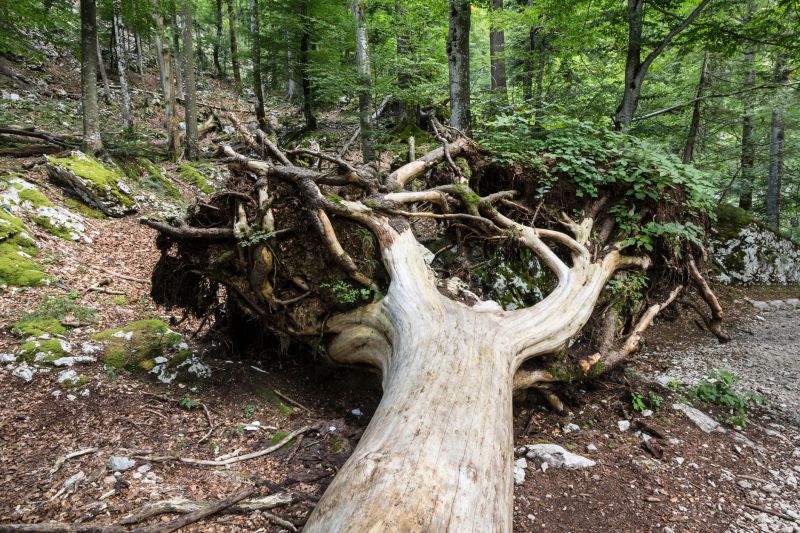
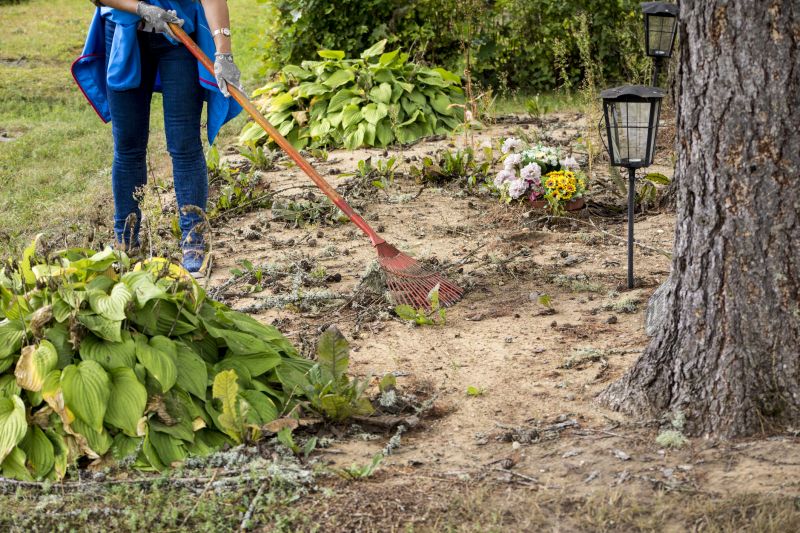
Undergrowth Removal Questions
What is undergrowth removal? Understory removal involves clearing dense or unwanted plants, shrubs, and small trees to improve yard visibility and health.
When should property owners consider undergrowth removal? It is typically needed when overgrown areas hinder access, reduce curb appeal, or pose fire hazards.
What types of projects benefit from undergrowth removal? Projects include clearing backyard brush, maintaining firebreaks, and preparing land for landscaping or development.
What should property owners know before starting undergrowth removal? It's important to assess the extent of overgrowth and plan for proper disposal of plant debris.
Request Undergrowth Removal in Houston, TX
Use the quote form on this page to share the basics of your project and request more information for the type of work you need.